The NEA Conference on Racial and Social Justice (CRSJ) brought together educators, students, families, organizers and advocates from across the country to engage in critical conversations about advancing justice in education. Grounded in the goals of building local power, strengthening community, centering intersectionality and envisioning long-term change, the conference provided a powerful space for learning, collaboration and action.
The conference also highlighted the growing impact of the NJEA Justice & Equity Fellowship.
Created to develop NJEA members into justice and equity leaders, the fellowship was designed to support members who are committed to creating meaningful and lasting change within their schools, local associations, communities and across New Jersey. Through leadership development, critical reflection, advocacy and engagement in justice-centered work, fellows strengthened their capacity to lead courageous conversations and advance equity wherever they served.
At the 2026 NEA CRSJ, the fellowship’s impact was evident.
Fellowship Alumni Leading on the National Stage
One of the conference highlights was seeing Augustus Macholl, an NJEA Justice & Equity Fellowship Cohort Two alum and member of the New Jersey Aspiring Educators Association (NJAEA), successfully conclude his first presentation at the national level.
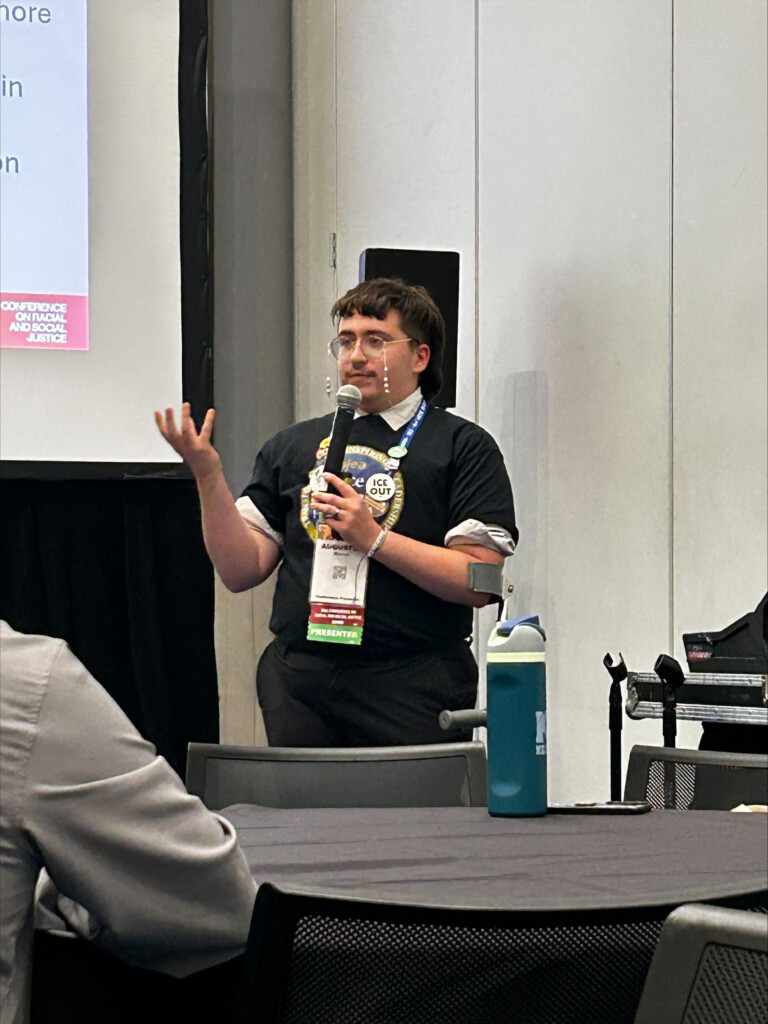
His session, “Pushing Through: Expectations vs. Reality,” explored the realities of navigating educational spaces while living with a disability. Participants examined the expectations often placed on individuals with disabilities and discussed why simply “pushing through” is not always a realistic or equitable response. The session focused on adaptation, accessibility, self-advocacy and the practical steps educators can take to better support students and colleagues.
Augustus’s presentation reflected the type of leadership development the fellowship seeks to cultivate and demonstrated the importance of elevating emerging voices in conversations about equity and inclusion.
Confronting Hair Discrimination in Schools
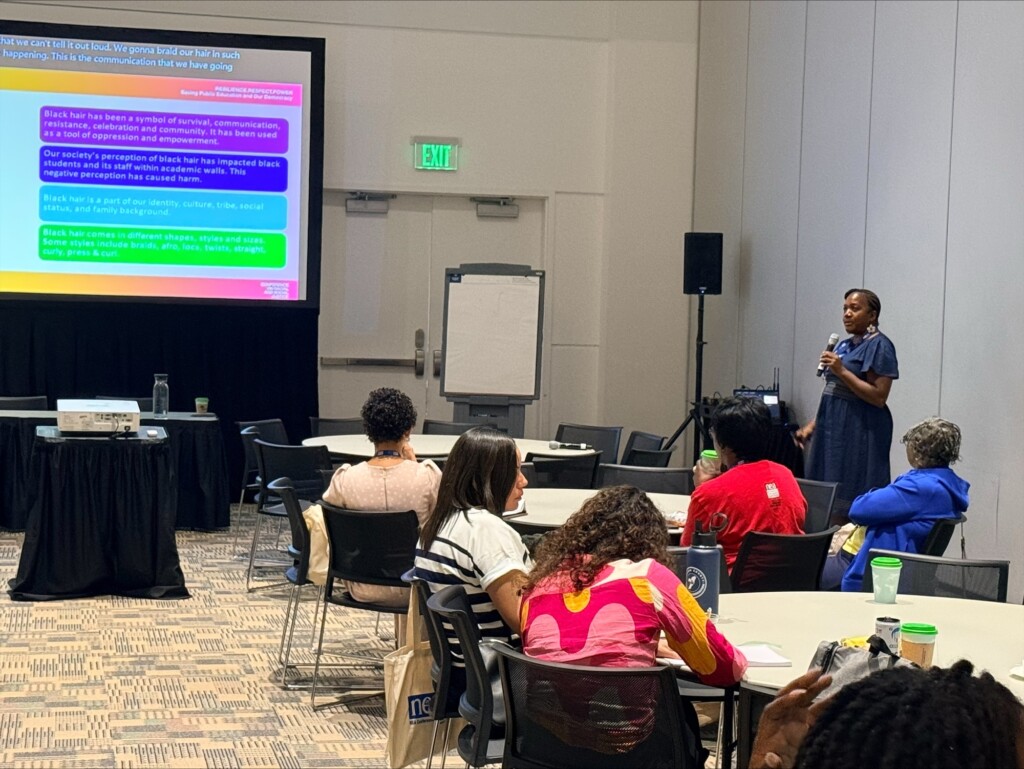
Linda Miller led a powerful session titled “The Politic of the Curl: Confronting Hair Discrimination in Schools.”
The presentation examined how policies and biases surrounding Black hair have historically contributed to racial inequities in educational settings. Through storytelling, discussion and policy analysis, participants learned how to identify racialized language, examine exclusionary dress code policies and create affirming environments that honor students’ cultural identities.
Linda’s session challenged educators to recognize the connections between identity, belonging and educational equity. Her continued commitment to this work, combined with her extensive experience presenting nationally, provided attendees with practical tools for addressing bias and advocating for justice in schools.
Elevating Culture and Community
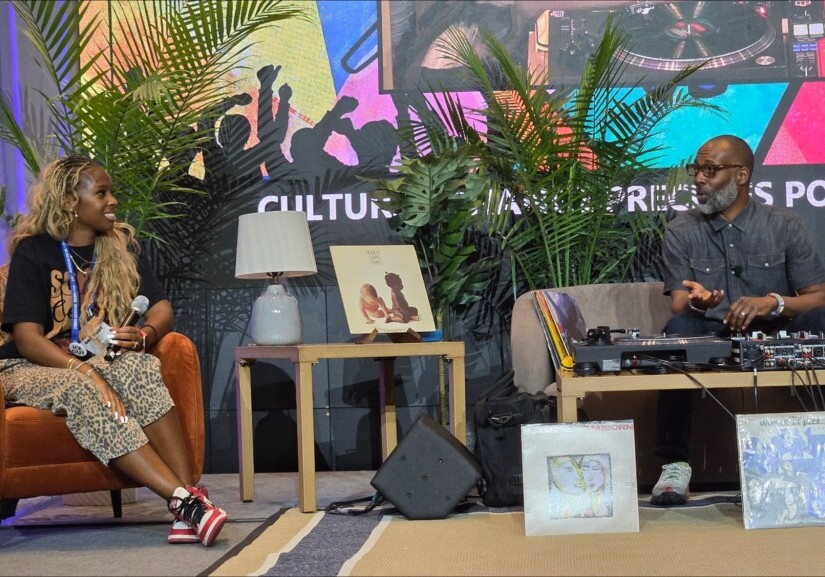
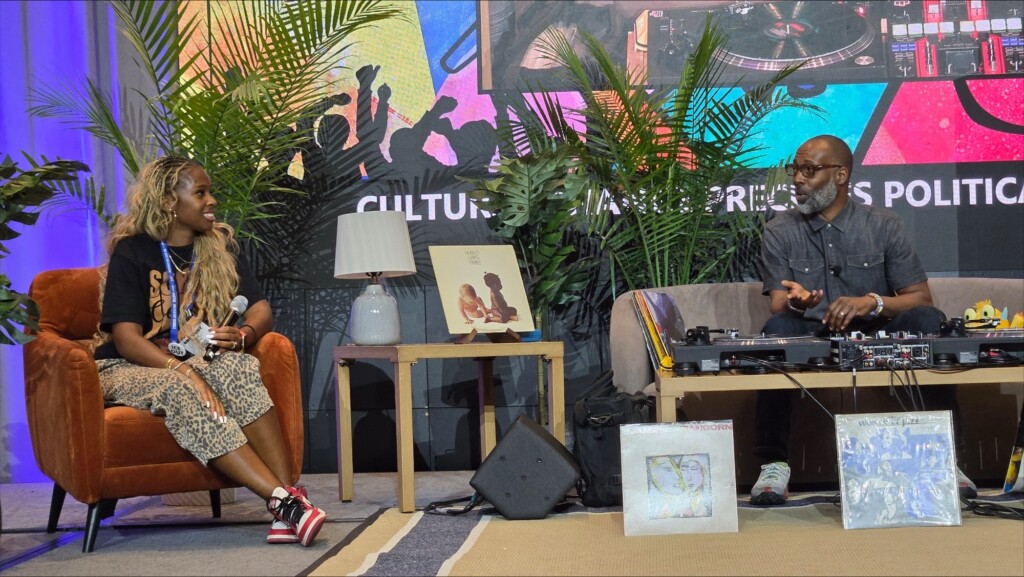
A special acknowledgment is also due to Brittany Gibbs Lamb, who moderated the engaging “Culture is Power” fireside chat featuring world-renowned DJ Kemit.
The conversation explored the power of culture, identity and belonging and reinforced the importance of understanding how culture shapes the educational experiences of students and communities. The session served as a reminder that culture remains a powerful asset in building stronger, more inclusive learning environments.
Examining the Illusion of Inclusion
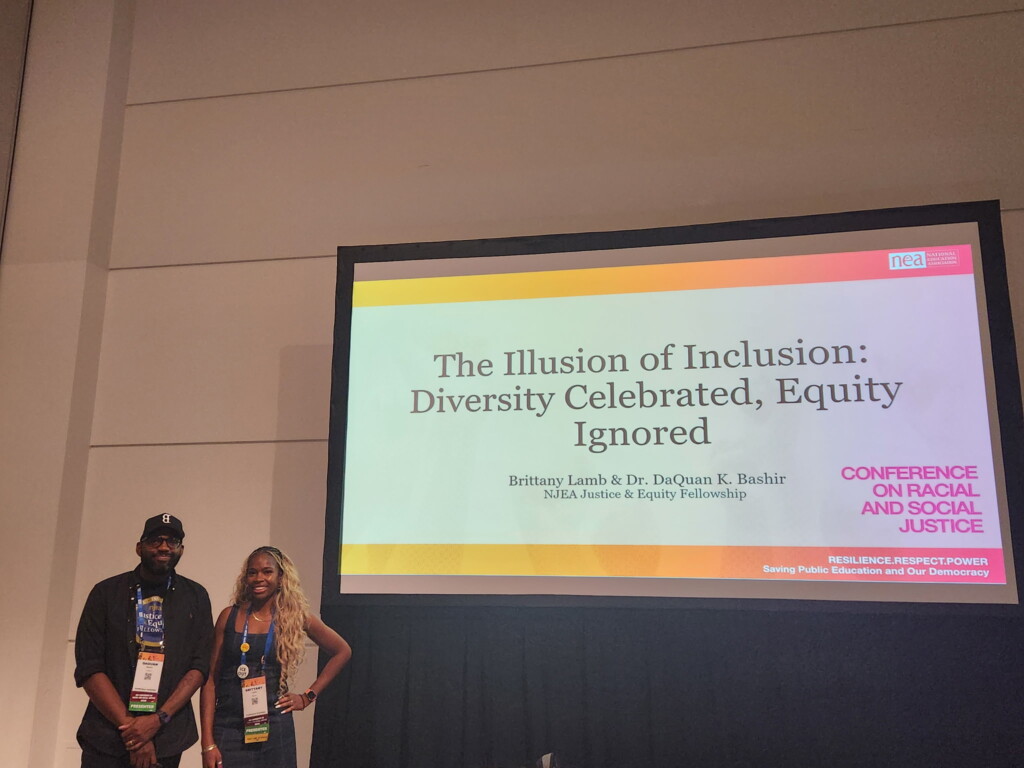
Another notable contribution came through “The Illusion of Inclusion: Diversity Celebrated, Equity Ignored,” presented by Dr. DaQuan Bashir and Brittany Lamb.
The interactive workshop examined how schools and organizations often celebrate diversity while failing to address persistent inequities. Through discussion, reflection and the use of an Inclusion Audit Tool, participants explored performative practices, systemic barriers and strategies for moving beyond symbolic representation toward authentic equity.
The session attracted a packed audience and generated meaningful dialogue among attendees.
Reflecting on the experience, Brittany shared:
“Today, I had the incredible opportunity to co-present The Illusion of Inclusion at the NEA CRSJ with DaQuan Bashir. When I say the room was packed, the conversation was powerful, the vibes were high and there were so many gems and bars dropped throughout the session.”
She also expressed gratitude to NEA for creating opportunities for these conversations and acknowledged the support, collaboration and community that contributed to the session’s success.
Fellowship in Action
The presence of the NJEA Justice & Equity Fellowship alum throughout the 2026 NEA CRSJ demonstrated the purpose and promise of the fellowship.
Whether presenting on disability justice and accessibility, facilitating conversations about culture and identity, addressing racial discrimination through policy analysis or challenging participants to think critically about authentic inclusion, fellowship leaders contributed meaningfully to the national conversation on justice and equity in education.
Their work reflected the fellowship’s core mission: preparing educators to lead, advocate, organize and create change.
The NJEA Justice & Equity Fellowship was established to equip members for opportunities such as these. At the 2026 NEA Conference on Racial and Social Justice, fellowship alumni did more than participate. They informed, challenged and inspired educators from across the nation while advancing the ongoing pursuit of justice and equity in education.